

Photo: Melike Melenâ
Stories
Artist Melike Melenâ on Building a Hijabi Hair Care Routine
Wearing a hijab requires a more intentional approach to hair care. Artist Melike Melenâ has shaped her routine around that awareness. From the hair ties she chooses to how she addresses dryness and shedding, she walks us through the system she’s refined over time.
Text Seda Yılmaz
The moment you see her, Melike Melenâ’s aesthetic stays with you. Shades of pink, playful details, and a styling language that feels entirely her own. The way she wears her hijab carries that same sense of individuality. Over time, learning to better understand her hair has reshaped not only her routine but her relationship with care itself.
How does wearing a hijab affect your hair?
It really depends on the person and their hair type. Mine is very dry, just like my skin, so it needs extra care. Since it stays covered most of the day, being intentional about maintenance is essential.
I’ve changed the way I tie my hair. I no longer wear it tightly under my headscarf to avoid traction alopecia, which is hair loss caused by repeated pulling and tension. When I do tie it, I use pure silk hair ties. I also stopped using synthetic caps after realizing they were too harsh and switched to cotton instead. That change helped my scalp breathe and reduced eczema flare-ups. It completely shifted how I approach covering my hair.
What does your hair care routine look like?
Dry hair needs moisture, but routine goes beyond products. Hydration and nutrition matter too, so drinking enough water is part of my care.
Oils are essential for me. I apply them on dry hair since they absorb better that way. Argan and rosemary are staples, and I stick to weekly oil treatments. I wash my hair once a week so my scalp can maintain its natural sebum balance. I keep things simple: fewer products, consistent care. Since hair loss runs in my family, I never skip my post-shower routine, which includes rosemary water, rosemary milk, and oils.
What are your go-to products?
I’m a big fan of Otama Kırkpınar’s hair care line. Argan oil I picked up in Morocco is a favorite, along with Bade Natural rosemary water and rosemary milk. Otacı 10 Herbal Extract Shampoo and Yves Rocher Strengthening Prebiotic Conditioner are regulars in my routine.
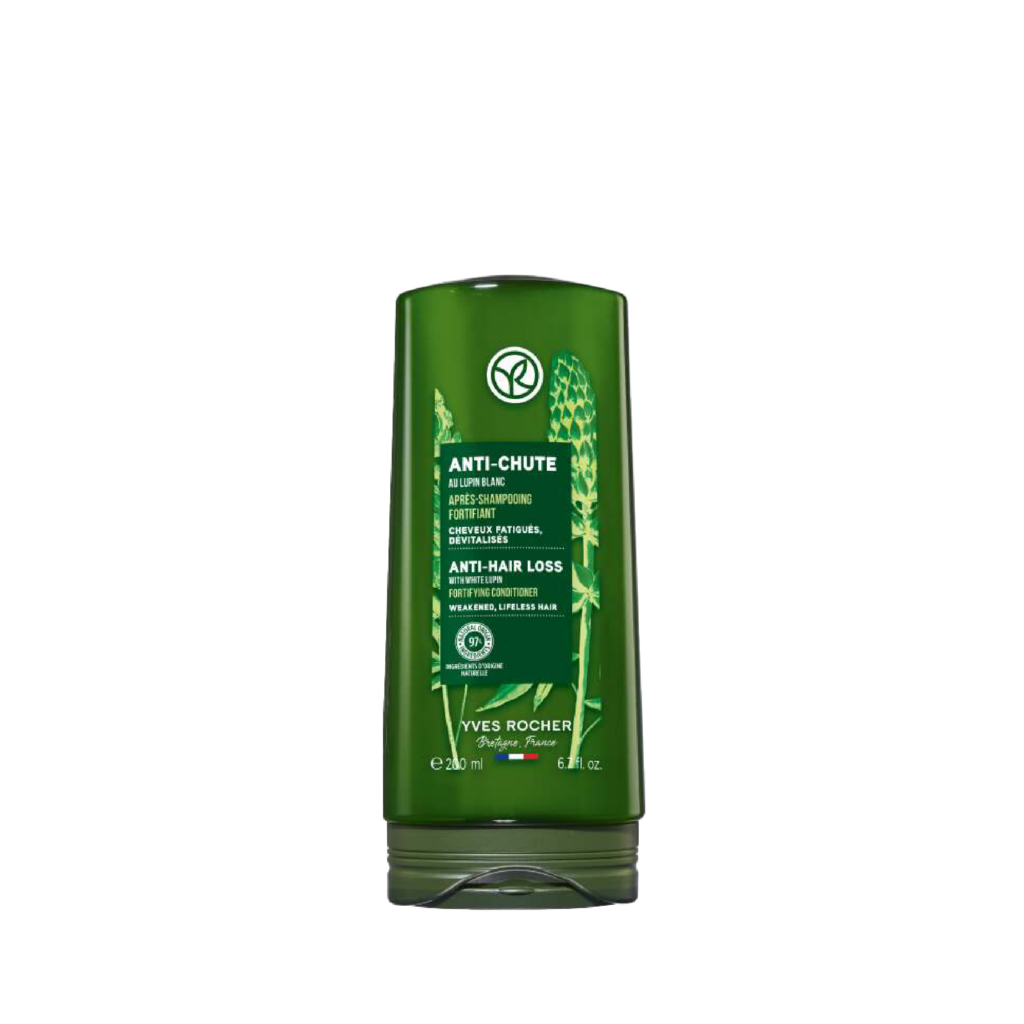
Yves Rocher Anti-Chute Anti-Hair Loss Fortifying Conditioner, €16.79
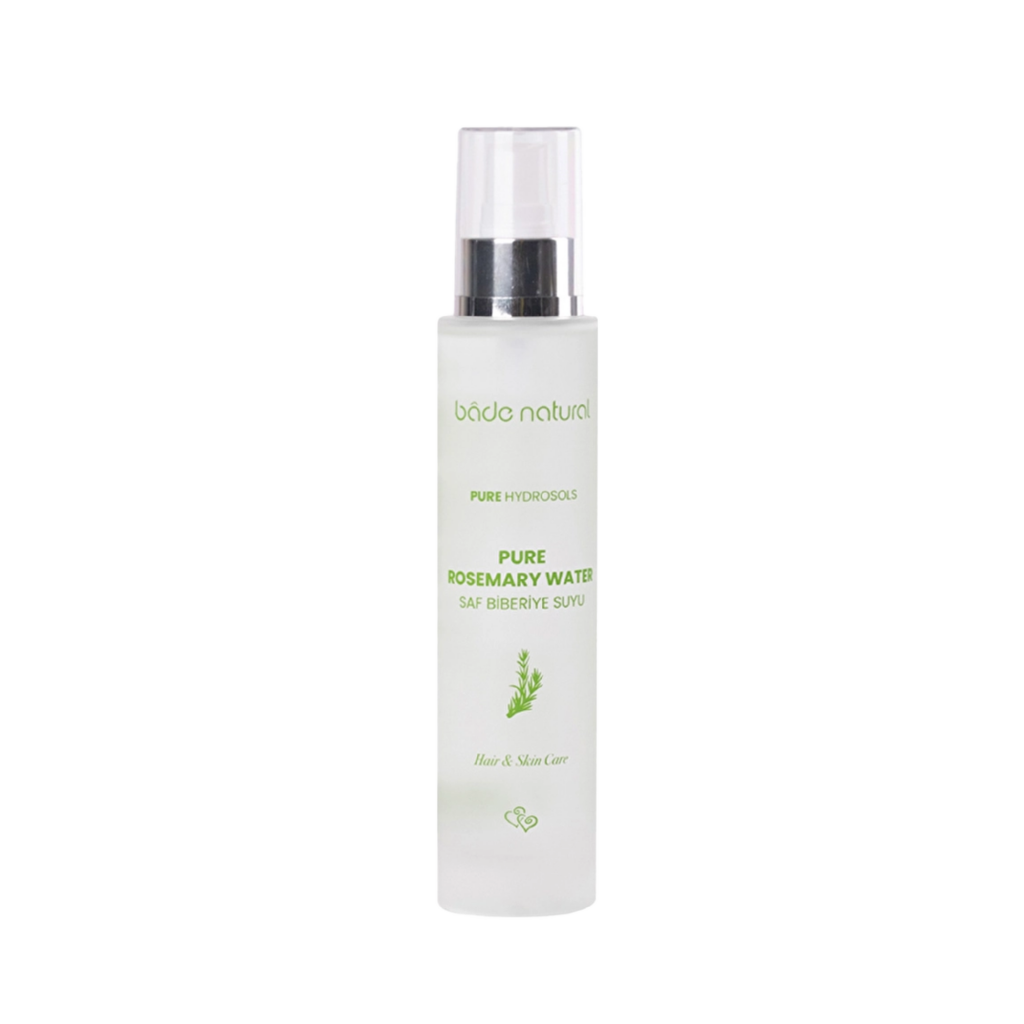
Bade Natural Pure Rosemary Water, 639.90 TL

Bade Natural Rosemary Easy Comb & Hair Care Milk, 649.90 TL
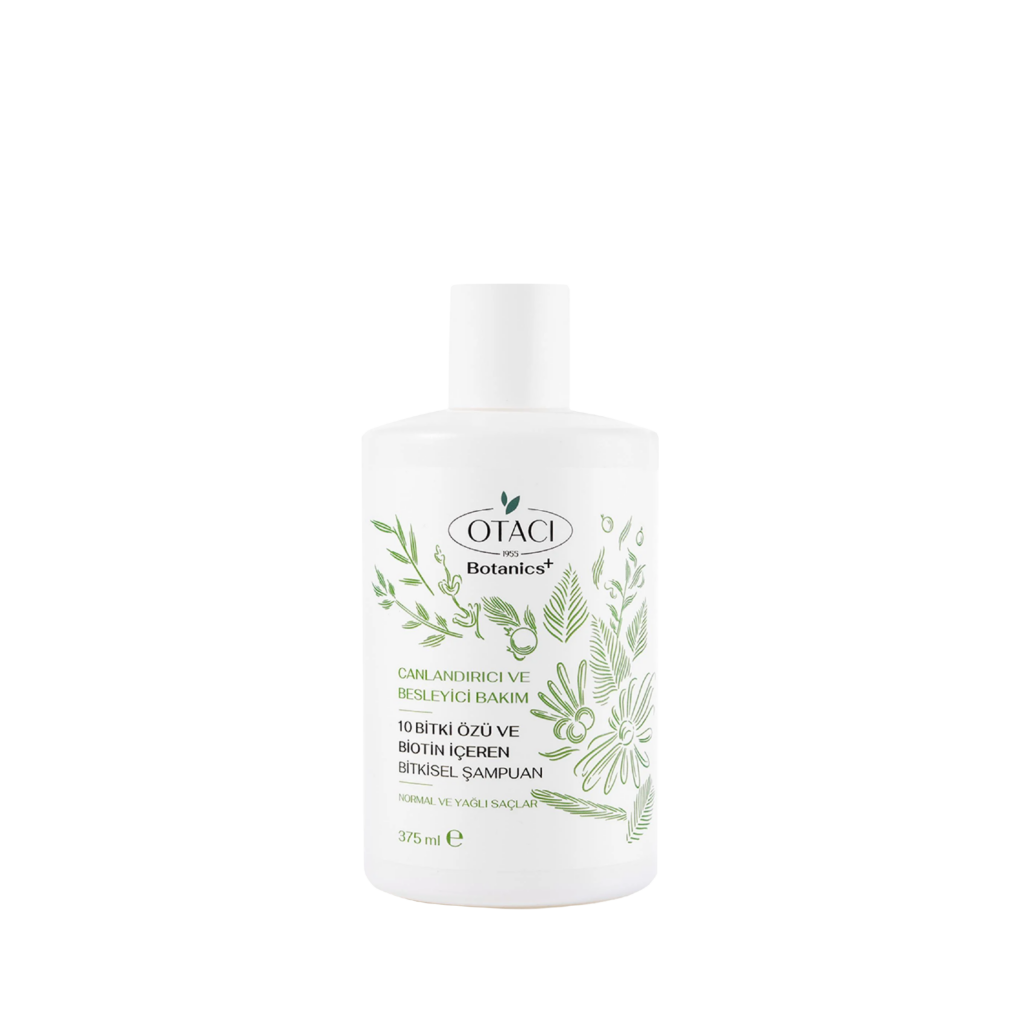
Otacı Botanics+ Revitalizing & Nourishing Herbal Shampoo with 10 Plant Extracts and Biotin, 739 TL
 Previous
Does having your hair covered most of the time ever make you less consistent?
Not really. It’s never been about whether anyone sees it. The routine is about how I take care of myself, so I stay consistent. I even travel with my essentials.
Have you ever dyed your hair?
I’ve experimented with different colors. During those periods, I added color-protecting products into my routine. I don’t dye it back to back, and since I maintain my routine, I haven’t experienced significant damage.
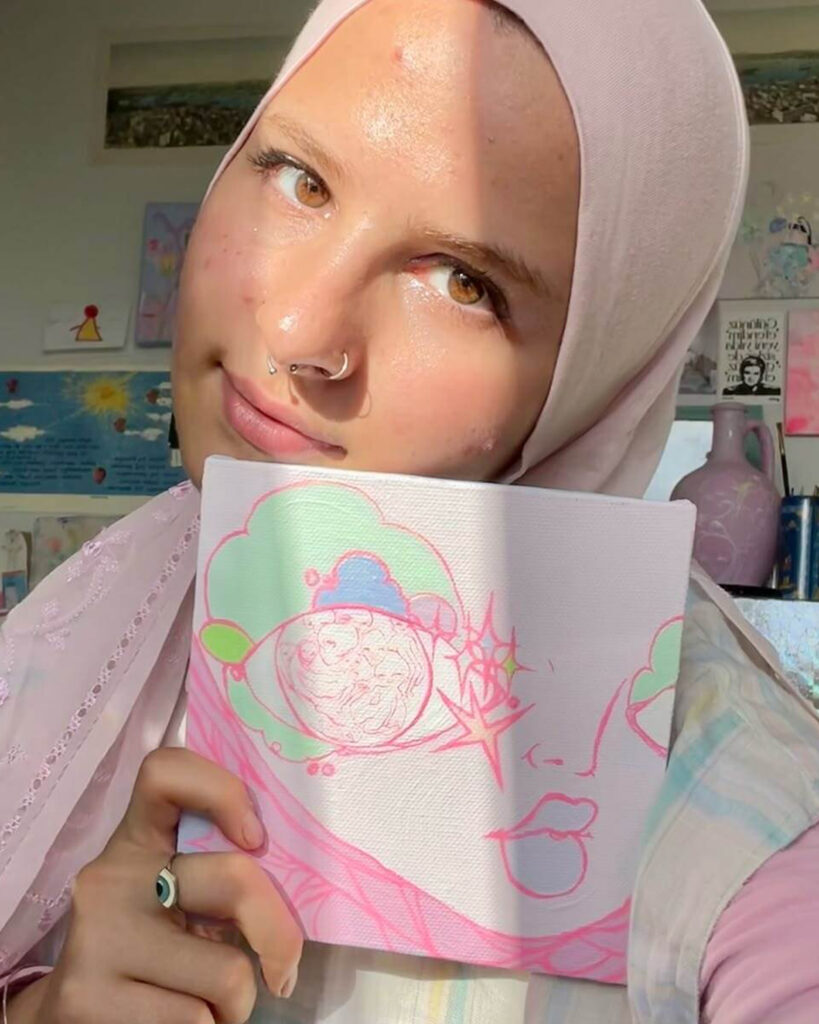
With hair that runs dry, Melike is thoughtful about how she cares for it. Her approach goes beyond products, what she eats and drinks is part of the picture, too.

When she dyes her hair, she adds color-protecting products to her routine.
What about scalp care?
Scalp care is important to me, especially because I deal with eczema, so I seek medical support when needed. I also use a dermaroller occasionally to help products absorb more effectively.
Do you get professional treatments?
A lot of my friends are very knowledgeable about hair, so I haven’t felt the need to rely heavily on salons. I also prefer to avoid chemical-heavy formulas, which makes professional treatments less appealing.
Has your approach to hair care evolved over time?
It has changed a lot. As you grow, the image you hold of yourself shifts. When your routines, priorities, and sense of care evolve, that naturally shows up in how you treat your hair.
Hair care no longer feels limited to products alone. It’s part of how I care for my body as a whole. Staying consistent with vitamins and minerals matters, and reducing animal products over the past few years has become an important part of that evolution.