
Photo: Ayça Sarç
Routines
Designer Ayça Sarç Is in No Rush
Ayça Sarç has found a pace of her own in a world that can't sit still. We take a closer look at the designer's slow living rituals and daily life in the Aegean.
Text Seda Yılmaz
Ayça Sarç sees the body as a library, holding everything we’ve learned and experienced throughout our lives. In Ovacık, she has built a life deeply rooted in nature and the world around her. We spoke with the designer about the beauty and wellness rituals of Aegean women, the products she’s loved for years, and the everyday habits she returns to time and again.
Living in Ovacık, you’ve found a rhythm that feels more in tune with nature. What does a typical day look like for you?
Life in Ovacık is less about consuming and more about paying attention. I begin my mornings immersed in nature, with my hands in the soil and a chance to slow down. Watching a flower bloom, a crop ripen, or simply allowing things to unfold in their own time reminds me how much there is to appreciate when you’re truly present. It also gives me a much deeper appreciation for all the work that goes into sustaining life.
How has living closer to nature changed the way you see things? Do you ever miss city life?
Living closer to nature has made me appreciate so many things I used to take for granted in the city. I’m more aware now of the people who grow our food, the craftspeople who still make things by hand, and the small communities built around skills and traditions that are becoming increasingly rare. Here, I get to see and appreciate the work that goes into the things around me. I don’t necessarily miss city life itself, but I do sometimes miss the encounters, the diversity, and that wonderful chorus of different stories you find in a city. When I miss that sense of polyphony, I find it in the quiet, powerful sounds of plants growing in the fields.
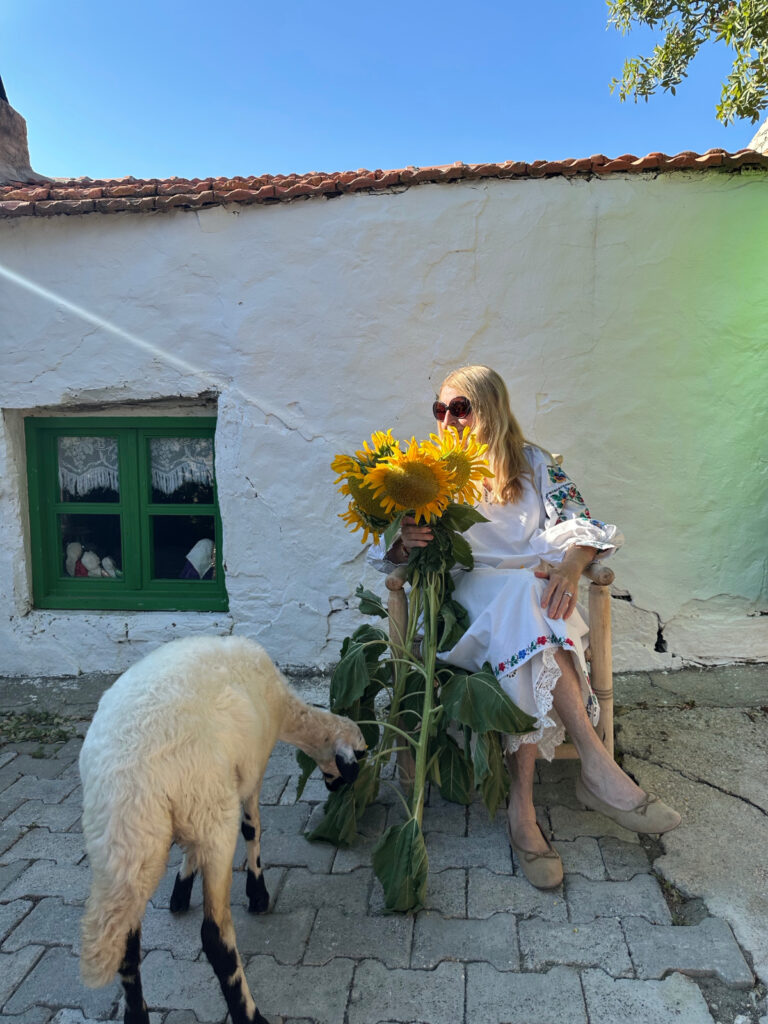
Before the day gets underway, Ayça likes to spend time in the fields with the dogs, goats, and sheep, getting her hands in the soil, breathing in the fresh air, and clearing her mind.
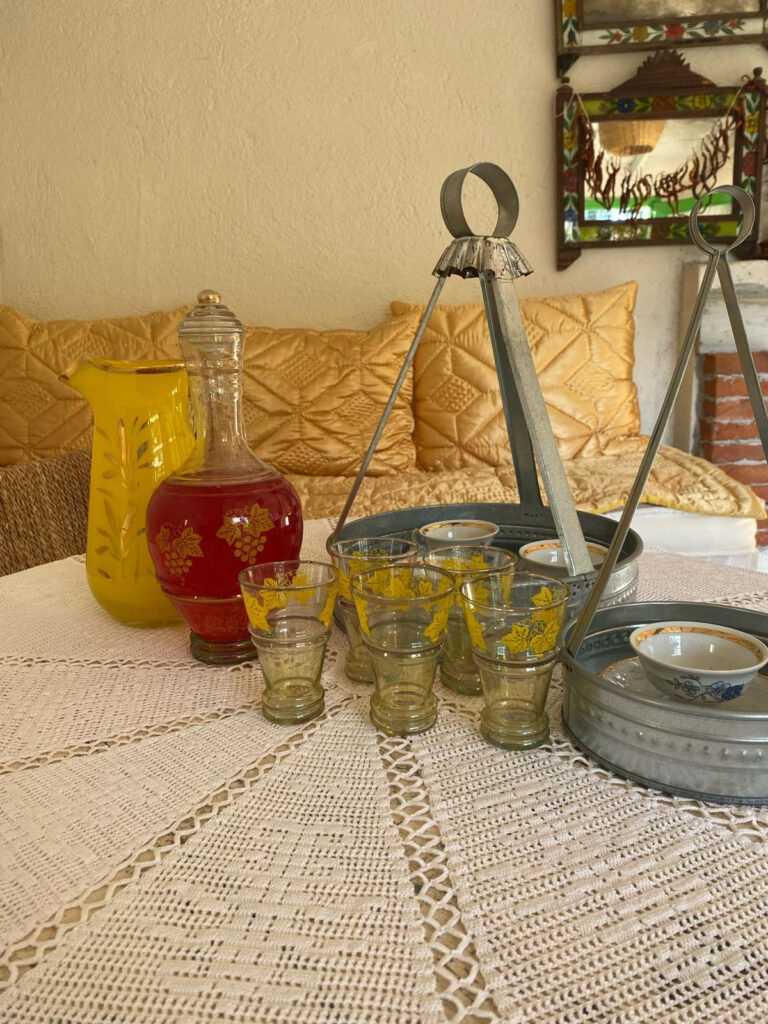
Inspiring details from Ovacık.
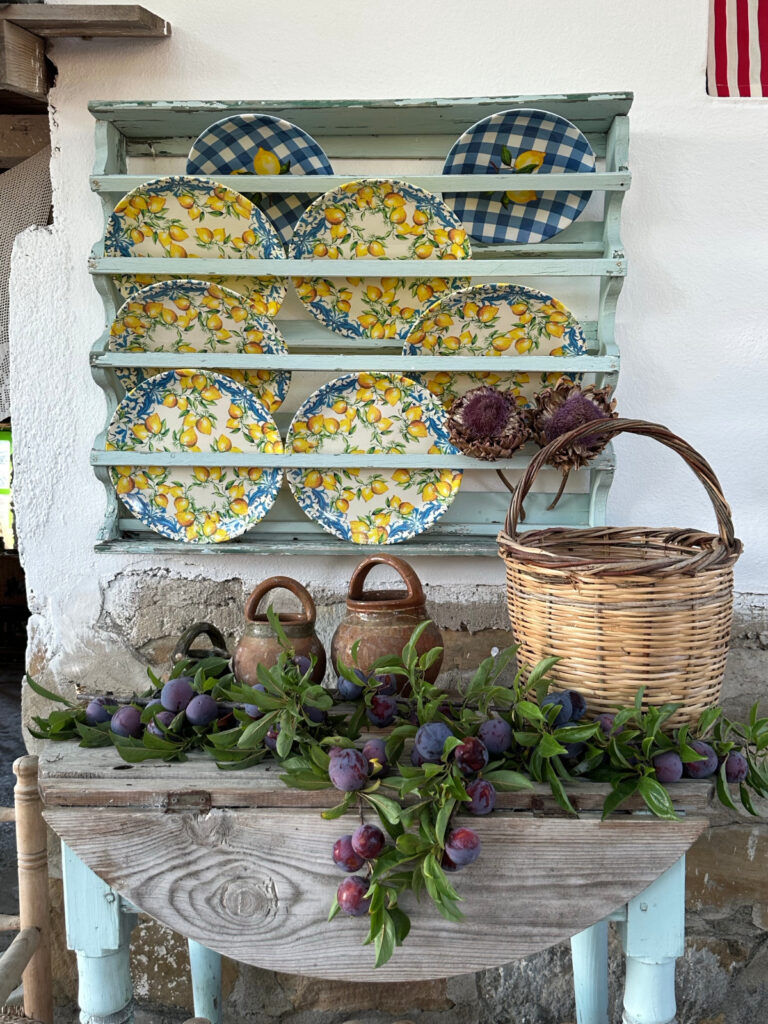
Ayça says life in Ovacık is less about consuming and more about paying attention.
 Previous
Unlike today’s fast-paced world, you’ve built both your design practice and your life around a slower pace. How has slowing down changed the way you see things?
It has changed the way I think about value. The worth of a piece isn’t just in how it looks. It’s also in the time, care, and part of someone’s life that went into making it. I think that’s where its beauty comes from, too. I used to look at the lace my grandmother kept in her chest without fully understanding what it meant to her. Over time, I began to see it differently. To me, design isn’t necessarily about creating something new. It’s about honoring time, preserving the stories that come with it, and finding ways to bring those stories into our lives again.
Is there a routine you’ve been sticking to lately?
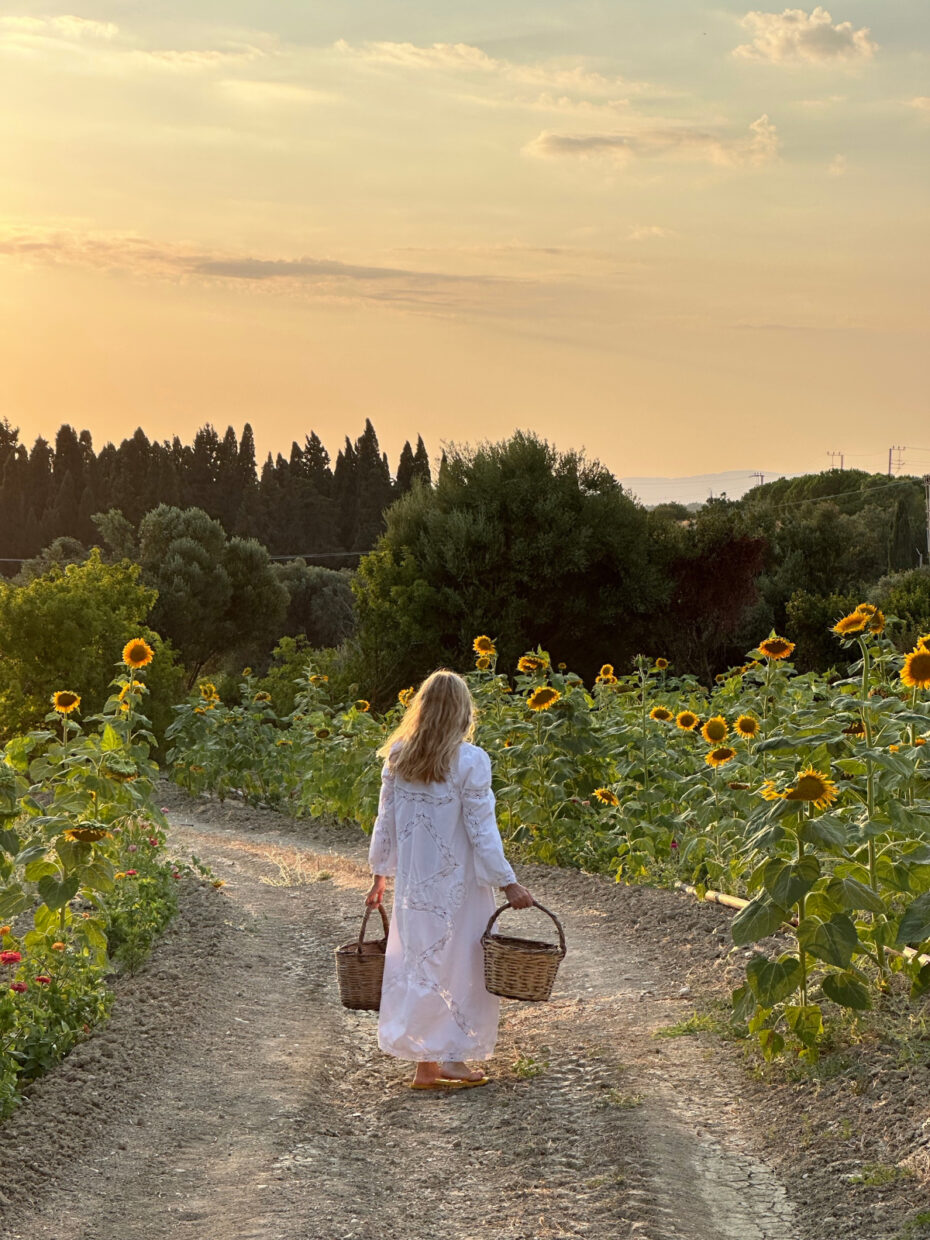
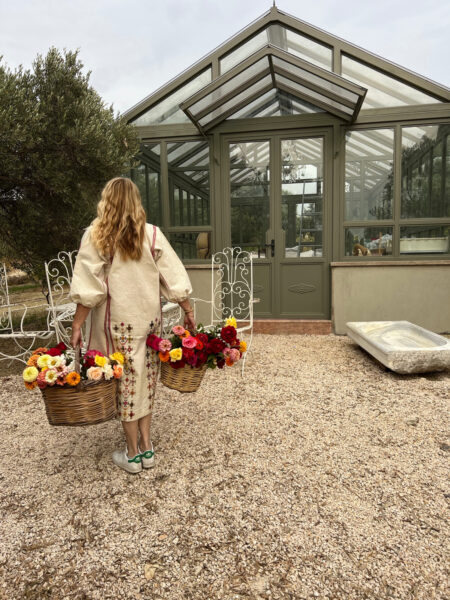
One of my favorite summer rituals in Ovacık is heading to the rose fields early in the morning. I walk among the roses, choose the ones that are ready, and, after asking permission, carefully cut them from the stem and fill my basket. The scent is rich yet somehow fresh, and breathing it in as the sun comes up feels almost therapeutic. There’s something about feeling my feet sink into the fertile soil, smelling the damp earth, and listening to the roses and the little creatures around me that gives me a kind of happiness I can’t quite put into words. Being out in nature this way is the most peaceful and inspiring way for me to start the day.
What does self-care mean to you?
Self-care is about staying connected to myself, to nature, and to the past. Before the day gets underway, I like to spend time in the fields with the dogs, goats, and sheep, getting my hands in the soil, breathing in the fresh air, and clearing my mind. That, to me, is the most meaningful form of self-care. Being in nature also helps me reconnect with my body.
I think of the body as a library, holding the story of our lives and everything we’ve learned and experienced. When I’m in nature, I can pay closer attention to what every wrinkle and mark reveals. That connection gives me balance, peace, and energy.
Do the beauty and wellness rituals of Aegean women inspire you?
Absolutely. I think Aegean women’s beauty comes from their connection to the land, its abundance, and their ability to take life at a slower pace. Their kitchens are stocked with cured olives and extra-virgin olive oil, while fresh herbs from the fields, the sea air, and plenty of sunshine are all part of the way they care for themselves.
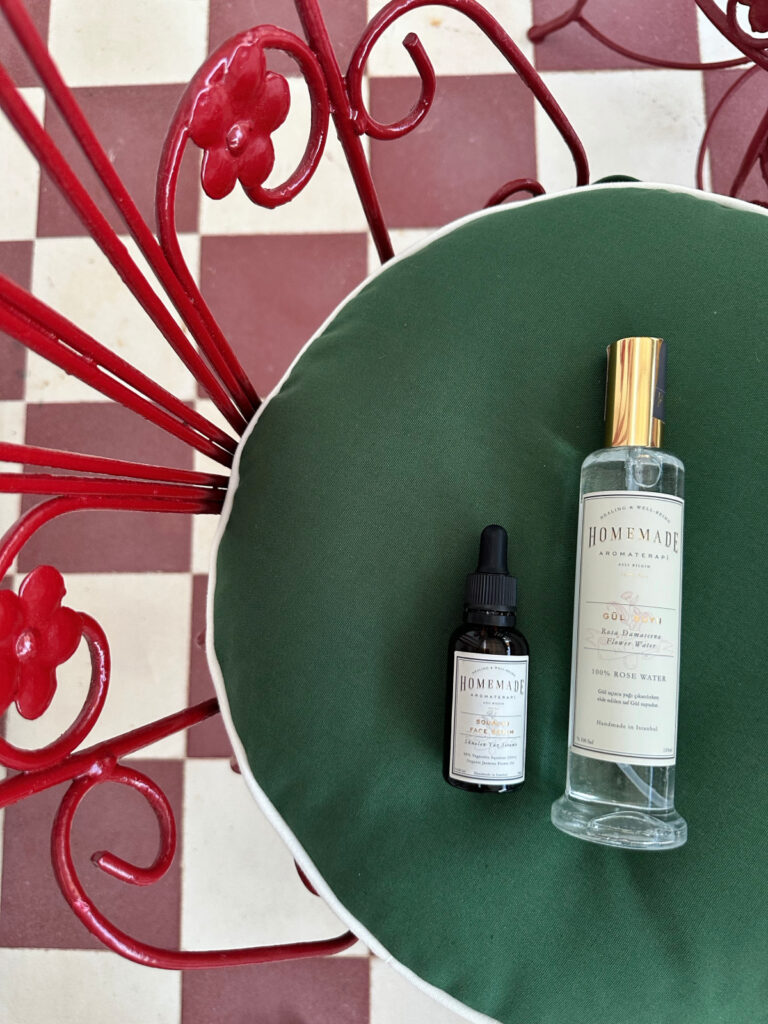
She prefers products that are gentle on the skin, made with ingredients she feels good using, and backed by brands she trusts.
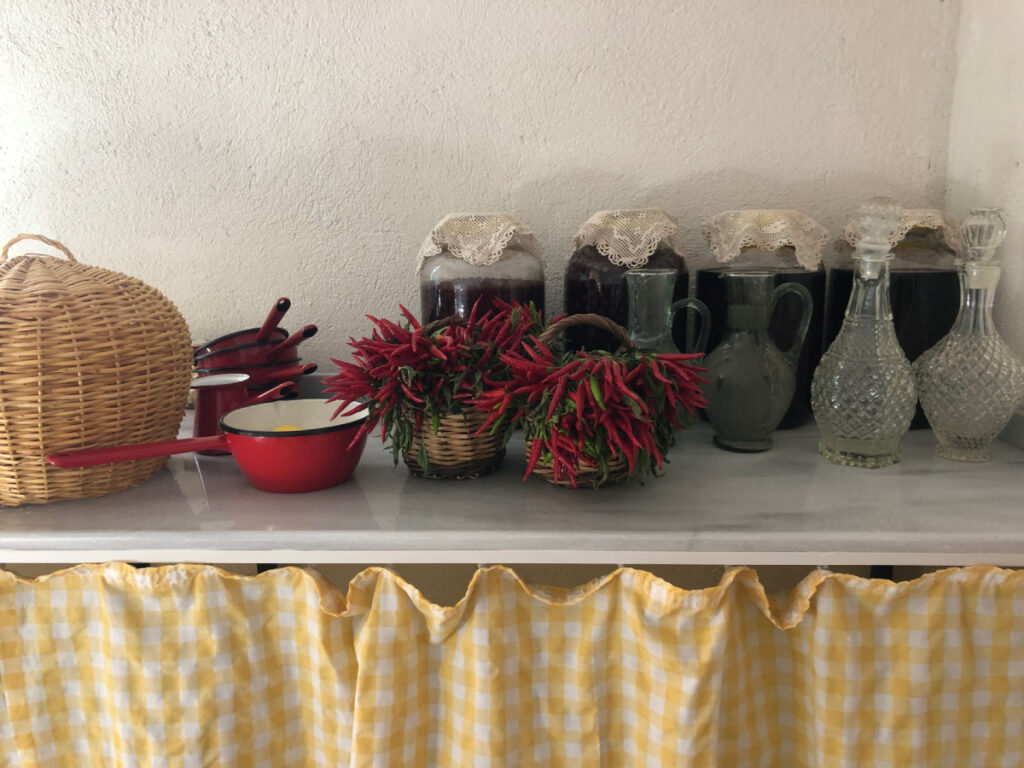
For Ayça, it’s the people around the table who make a meal special: the conversation, the laughter, and the feeling of peace that comes from sharing a meal together.
How do you take care of your skin?
I’ve always preferred skincare that feels simple and natural. I look for products that are gentle, made with ingredients I feel good using, and backed by a brand I trust. Homemade Aromaterapi’s rosewater and moisturizers have been part of my routine for years, and I still reach for them regularly. A few years ago, that relationship grew into a collaboration. For the Çiçekler Fora collection, inspired by Ovasofra, we made soaps, colognes, and lavender sachets using ingredients from our lemon, lavender, and olive harvests. We wanted the collection to be as much about the experience of scent as it was about skincare. Working on it also gave me a chance to see how much thought goes into everything they make, from the way the products are developed to the ingredients they choose. That experience is what made me trust Homemade Aromaterapi even more, and their products have been part of my routine ever since.
Your wavy blonde hair always looks so healthy. Is there anything special you do for it?
My haircare routine is actually very simple and natural. Chamomile water, seawater, and the right amount of sun seem to be all my hair needs. Because my hair is fine and straight, braiding is my favorite way to style it. It gives me natural waves and keeps my hair looking healthy throughout the day. After washing, I let my hair dry naturally, allowing it to retain its moisture and warmth. Whenever possible, I skip the blow-dryer and let the Aegean morning breeze do the rest.
Are there any beauty or self-care rituals passed down to you from the women in your family?
One of the rituals I inherited from my grandmother is going to the hammam. I try to make time for a good scrub at least once every six months. For me, it’s about more than taking care of my skin. It’s a chance to reset, both physically and mentally. And, of course, no visit to the hammam would be complete without a cold gazoz afterward.
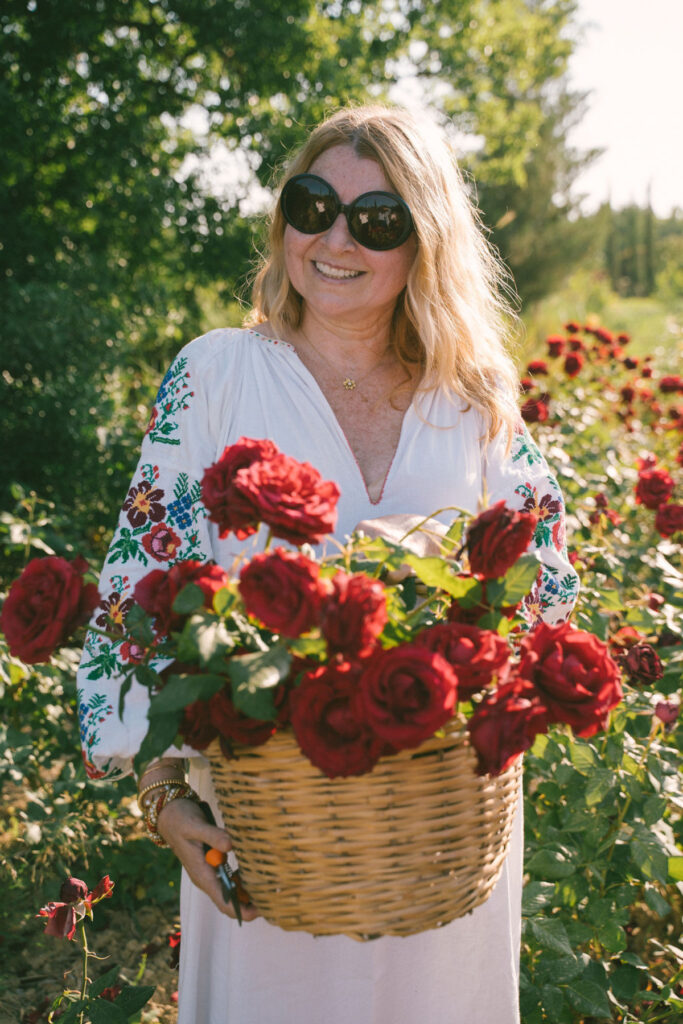
She believes chamomile water, seawater, and just the right amount of sun are all her hair needs.
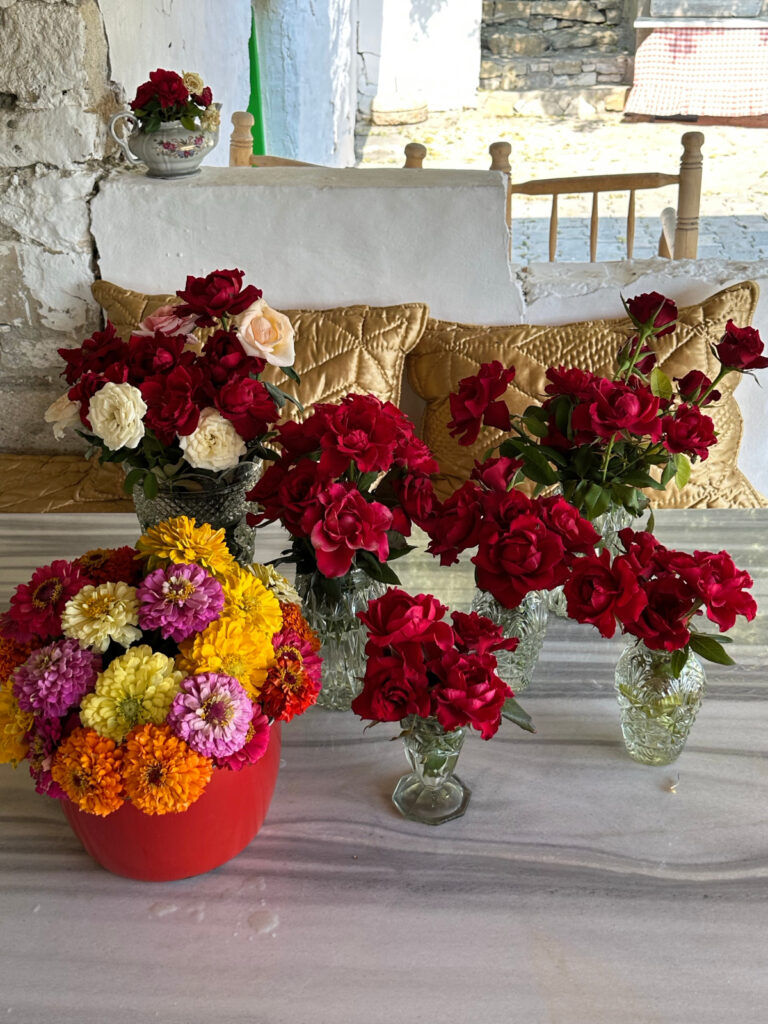
One of Ayça’s favorite summer rituals in Ovacık is heading to the rose fields early in the morning.
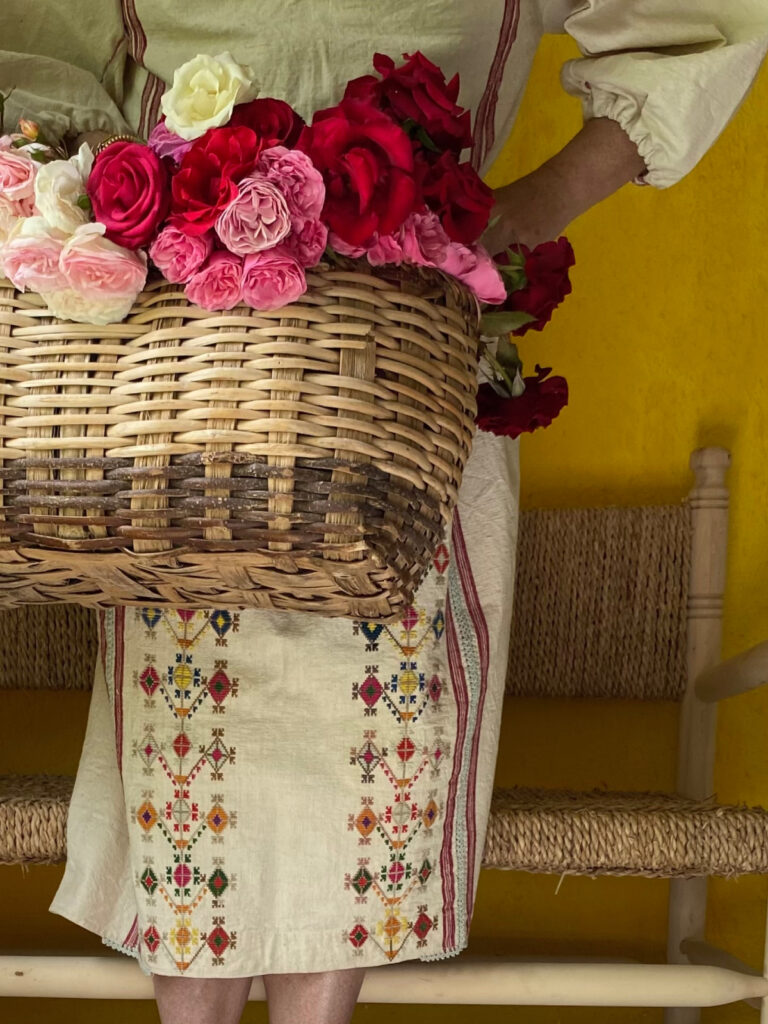
From the way a flower stands in a field to the texture of an old fabric or a tiny detail on a table, Ayça says she finds herself noticing things other people might pass by.
You grow roses in Ovacık. What do roses mean to you?
The scent of roses takes me back to the same feeling of comfort and peace I find beneath the hackberry tree. It mingles with the sound of pebbles underfoot, the breeze drifting in from Altınkum, and the salty air from the sea. Together, they evoke something almost timeless, like an old recipe passed down through generations. There’s the freshness of wild herbs, sun-warmed fig leaves, the quiet of the olive trees, the scent of the earth, and the salt in the air. To me, the scent of roses is more than a fragrance. It becomes part of your memory, and every time you smell it, you’re taken back to that same place and that same feeling of peace.
Ovasofra has a character all its own, right down to the smallest detail. What makes it onto your ideal summer table?
At Ovasofra, setting the table is part of the experience. It’s a way of celebrating whatever the season has to offer. In summer, that means baskets of produce picked fresh from the fields, colorful wildflowers, red gingham tablecloths, and handmade lace napkins. We also serve basil sherbet and homemade lemonade in glass pitchers and glasses from the village. But in the end, it’s the people around the table who make it special: the conversation, the laughter, and the feeling of peace that comes from sharing a meal together. For me, anything natural, heartfelt, and full of character has a place at the Ovasofra table.
Your FORA collections turn old needlework, whitework, and lace once used to decorate beds into handmade skirts, dresses, and blouses. What inspired you to create at a different pace from the world around you?
These pieces are more than beautiful examples of handwork. They carry the memories and emotions of the women who made them. Realizing that changed the way I saw them, and in many ways, the way I saw life. When I hold one, I can almost imagine those women sitting down to work, patiently stitching their dreams into every piece as they lived through joy, sorrow, laughter, and loss. Each one carries traces of the time, care, and life woven into it. FORA grew from the idea that these pieces shouldn’t spend their lives forgotten in old trunks. I wanted to bring them back into our lives, along with the stories and emotions woven into them, and create a conversation between the past and the present.
With FORA, I’m interested in more than simply reworking old fabrics. I want to bring the craftsmanship, grace, and stories held in women’s hands into the present. Every piece of needlework and lace has its own memories, its own history of patience and care, and its own spirit. Giving these pieces a new life as timeless skirts, dresses, and blouses means a great deal to me. Creating slowly, without getting swept up in the speed of the world, and with respect for what came before is simply part of how I live.
What’s your favorite flaw?
Probably how particular I am about things. I like everything to feel cared for and in its right place, from the fields to my home, from the table to the smallest detail. I’m sure that can occasionally be a little much for the people around me. Over the years, though, I’ve realized it isn’t really about keeping everything perfectly organized. It comes from the respect I have for detail, craftsmanship, and the beauty in everyday life. I believe everything has its own place, story, and meaning, which is probably why I find myself noticing things other people might pass by: the way a flower stands in a field, the texture of an old fabric, or a tiny detail on a table. It can be exhausting at times, but it also means I get to hold on to what matters to me and appreciate beauty in the smallest things.